Best Time to See the Northern Lights in Iceland: Sept–April 2026–2027
Iceland aurora season runs early September to mid-April. Late Aug is a short dark window; September is when 2026–2027 actually starts. Best hours, forecast, and how to book a hunt.
Self-drive an aurora night
A car lets you leave the city glow when the forecast clears. Compare KEF and Reykjavík pickup.
Compare cars at Keflavík AirportKeflavík Airport · Reykjavík · via DiscoverCars.com
You book and pay the partner on the next page. We earn a commission at no extra cost to you.
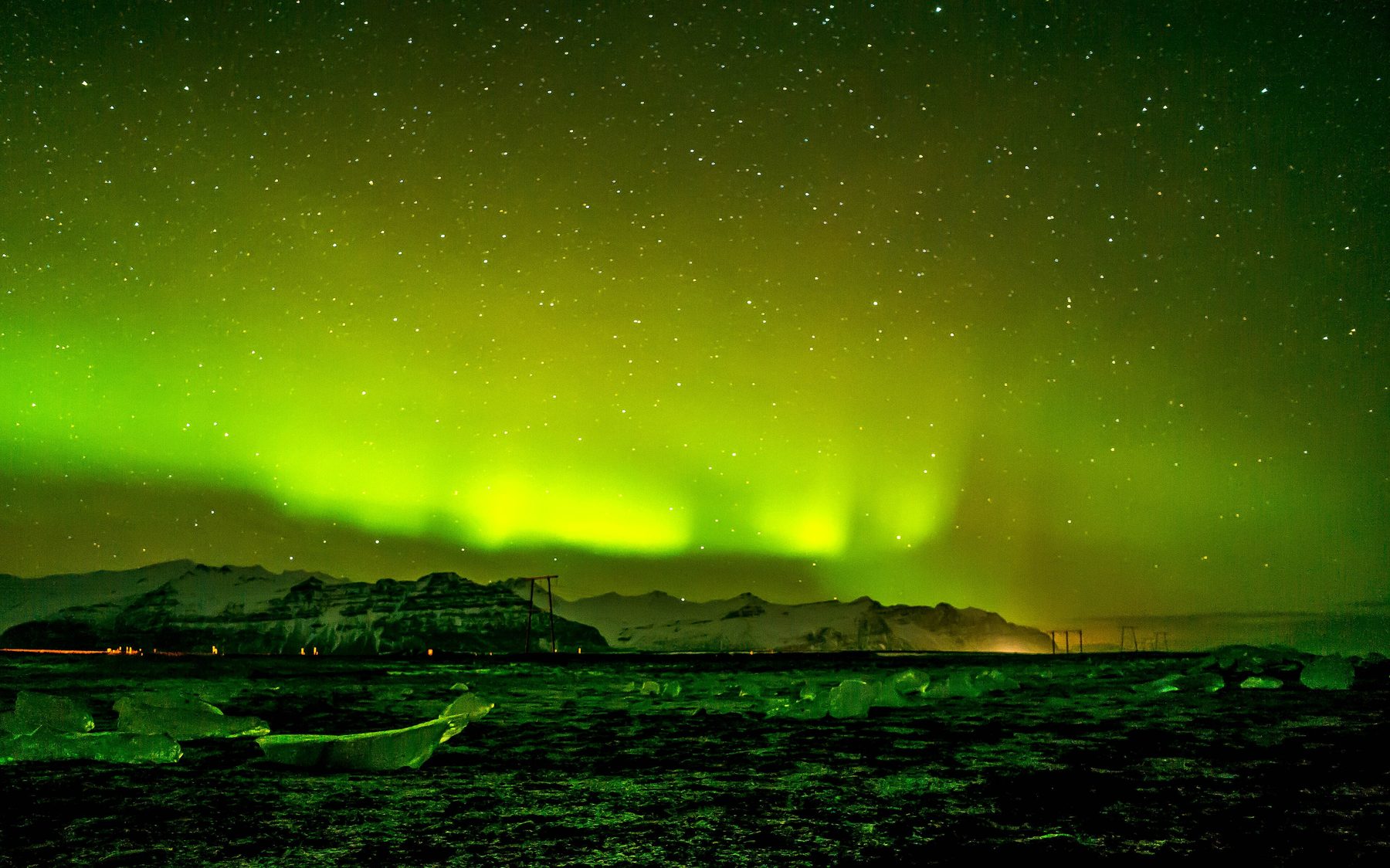
Iceland sits directly beneath the auroral oval — the ring around the magnetic pole where the Northern Lights appear most often. That geography is why the country is one of the most reliable places on Earth to see the aurora, but seeing it still comes down to three things you can plan around: the season, the darkness, and the weather. Get all three lined up and your odds are excellent.
The season: September to April
The aurora is out all year — you just can’t see it against a bright sky. Iceland’s summer nights never get properly dark, so the practical Northern Lights season runs from early September to mid-April, when nights are long and black. Within that window, the shoulder months (late September–October and March–early April) are a sweet spot: the nights are dark enough, but the roads and weather are gentler than in deep winter.
For the current window — dates, best months versus shoulder, and how to book the 2026–2027 season — start at the Northern Lights 2026–2027 season hub. Late August is only a short dark tease; September is when this season actually starts.
You need darkness, a clear sky, and a bit of solar activity. Two out of three isn’t enough — but all three happen often in Iceland between September and April.
The best hours of the night
The aurora is most active in the hours around magnetic midnight — roughly 10pm to 1am local time — though a strong display can light up the sky any time it’s fully dark. It’s worth being ready earlier and staying out later; the lights come in waves, and the sky can be empty for an hour and then erupt.
Reading the forecast
Two numbers matter. The Kp index (0–9) estimates how far south the aurora will reach — from Iceland, even a Kp of 2–3 is plenty. The cloud-cover map matters more: clear sky beats a high Kp under clouds every time. The Icelandic Met Office publishes both. The trick guides use is mobility — if it’s cloudy where you are, drive to where it isn’t. For the apps and how to read them, see how to read aurora forecast apps and the Kp index.
Where to go
- Away from Reykjavík’s light pollution — even a 30–40 minute drive makes a big difference. City watching is a bonus on strong nights; see can you see the Northern Lights from Reykjavík.
- Somewhere with an open view to the north and no streetlights: Þingvellir, the south coast, or the Snæfellsnes peninsula are all popular.
- A spot you can reach safely on winter roads — this is where a guided tour earns its keep.
Should you take a tour or self-drive?
Both work. The sensible first booking for most Reykjavík visitors is a small-group hunt with free photos and a retry — the guide tracks cloud and solar forecasts and drives to the clearest sky. Compare formats on best Northern Lights tours from Reykjavík or browse the full Northern Lights category. If you’d rather chase it yourself, a rental car gives you that freedom; just be honest about winter driving before you commit.
Compare optionsBrowse Northern Lights tours for the 2026–2027 seasonA final tip: build the aurora into a trip that’s worth it even if the sky stays cloudy. Pair a night of hunting with a daytime Golden Circle trip or a soak in a geothermal spa, and no night is wasted.
Frequently asked questions
What is the best time of year to see the Northern Lights in Iceland?
Early September through mid-April, when nights are properly dark. Late September–October and March–early April are the gentler shoulders. Late August is only a short dark window — September is when the 2026–2027 season actually starts.
What time of night are the Northern Lights most active in Iceland?
Around magnetic midnight, roughly 10pm to 1am local time. Strong displays can happen any time it is fully dark, so be ready earlier and stay out later — the sky often comes in waves.
Is Kp or cloud cover more important for seeing the aurora?
Cloud cover. From Iceland even a low Kp of 2–3 is usually enough; a clear sky under a modest Kp beats a high Kp under overcast every time. Guides chase clear patches, not just the highest Kp number.
Should I book a Northern Lights tour or self-drive?
Either works. First-timers in Reykjavík without winter driving confidence are usually better on a small-group hunt with free photos and a free retry. Self-drive is fine if you already have a car and are honest about night driving on icy roads.
Book it: related Iceland tours
Turn the plan into a trip — browse the experiences from this guide.


Keep reading
- Northern Lights Iceland 2026–27: Best Months to BookSept–March calendar for 2026–27. Book a small-group hunt with free retry from Reykjavík — or compare KEF car hire if you self-drive dark sites.
- How to Read an Aurora Forecast in Iceland: Kp Index and Cloud Cover ExplainedWhat the Kp number on an aurora forecast actually means, why the cloud-cover map matters more, and how to check the forecast so it changes your plans in time.
- Iceland Cruise Season Month by Month: Which Reykjavík Shore Excursions Are Actually RunningPuffins, midnight sun, whales and the first dark skies — what is genuinely available on a Reykjavík shore excursion in each month of the Iceland cruise season.
- How Many Nights for Northern Lights in Iceland: Budget 3–4 (2026–2027)One aurora night is a cloud-cover gamble. Budget 3–4 nights so a free-retry tour can actually work — and how to place them in the 2026–2027 season.
- No Northern Lights? What Really Happens When an Iceland Aurora Tour Sees NothingCancelled before departure, a free second attempt, or nothing at all — how aurora tour policies differ, and what to check before you book.
- Coach, Minibus or Boat? How to Pick the Right Northern Lights Tour in IcelandLarge coach, small minibus or a boat off Reykjavík harbour — each Northern Lights tour format trades off differently on speed, comfort and mobility.